

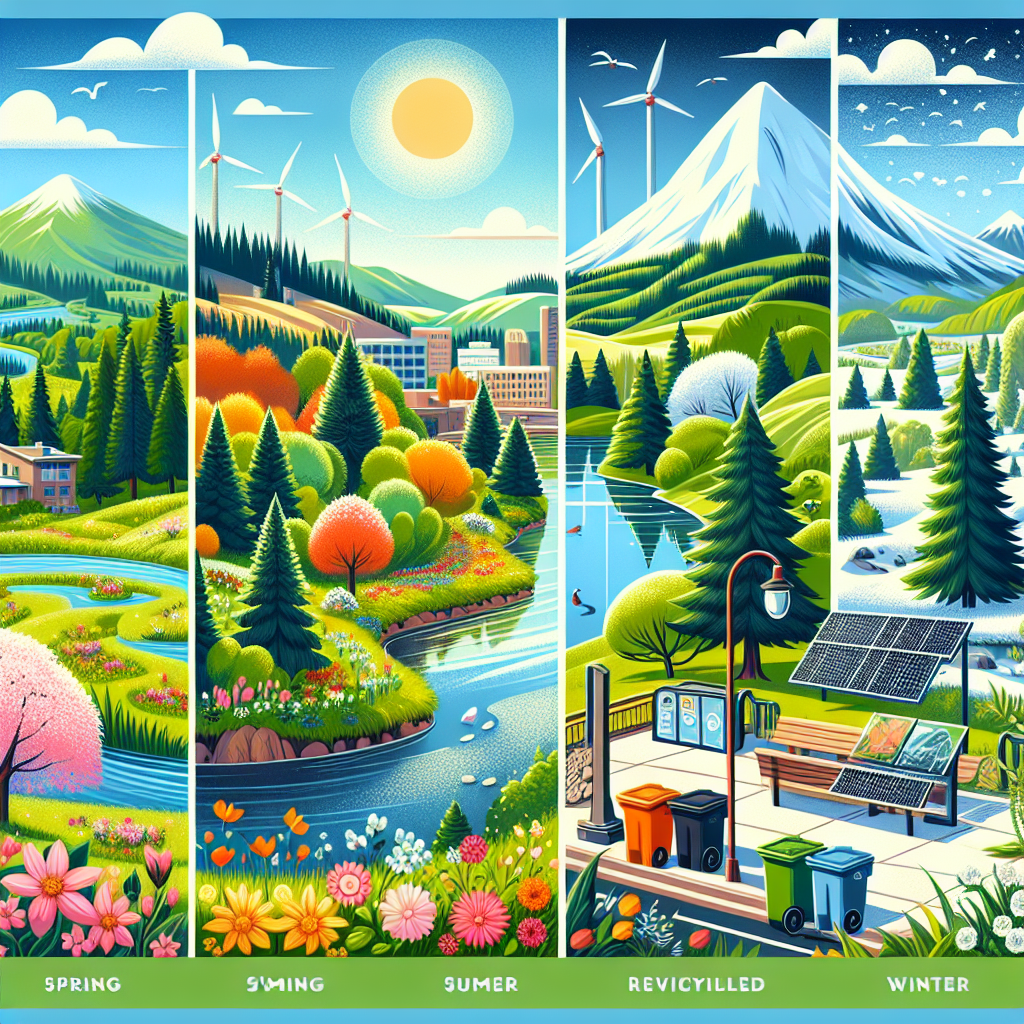
Gresham, Oregon, experiences a Mediterranean climate characterized by warm, dry summers and cool, wet winters. This climate influences various aspects of daily life, from outdoor activities to environmental planning.
Seasonal Weather Patterns
Winter
During winter months, Gresham typically sees average high temperatures around 46°F (8°C) and lows near 36°F (2°C). Precipitation is at its peak, with December averaging approximately 7.57 inches (192 mm) of rainfall. Snowfall is rare but possible, contributing to the region’s lush greenery.
Spring
Spring brings milder temperatures, with highs reaching about 61°F (16°C) in April. Rainfall decreases compared to winter, averaging around 4.1 inches (104 mm) in April, fostering blooming flora and vibrant landscapes.
Summer
Summers are warm and dry, with average highs of 81.6°F (27°C) in July. Rainfall is minimal, averaging 0.62 inches (16 mm) in July, making it ideal for outdoor activities.
Autumn
Autumn sees a gradual cooling, with October highs around 63°F (17°C). Rainfall begins to increase, averaging 4.69 inches (119 mm) in October, preparing the region for the wetter winter months.
Environmental Initiatives
Recognizing the impacts of climate change, Gresham has implemented several initiatives to promote sustainability:
- Climate Action Plan: Focuses on reducing greenhouse gas emissions through energy efficiency, renewable energy adoption, and sustainable transportation. Learn more
- Stormwater Tree Wells: These installations help filter stormwater naturally, reducing pollutants entering local waterways and enhancing urban tree canopy. Learn more
- Climate-Friendly and Equitable Communities: Aims to create urban areas where residents can meet daily needs without relying heavily on vehicles, thereby reducing transportation-related emissions. Learn more
Understanding Gresham’s climate and participating in local environmental initiatives can help residents adapt to seasonal changes and contribute to a more sustainable community.