

By Emma Smith, Local Voices
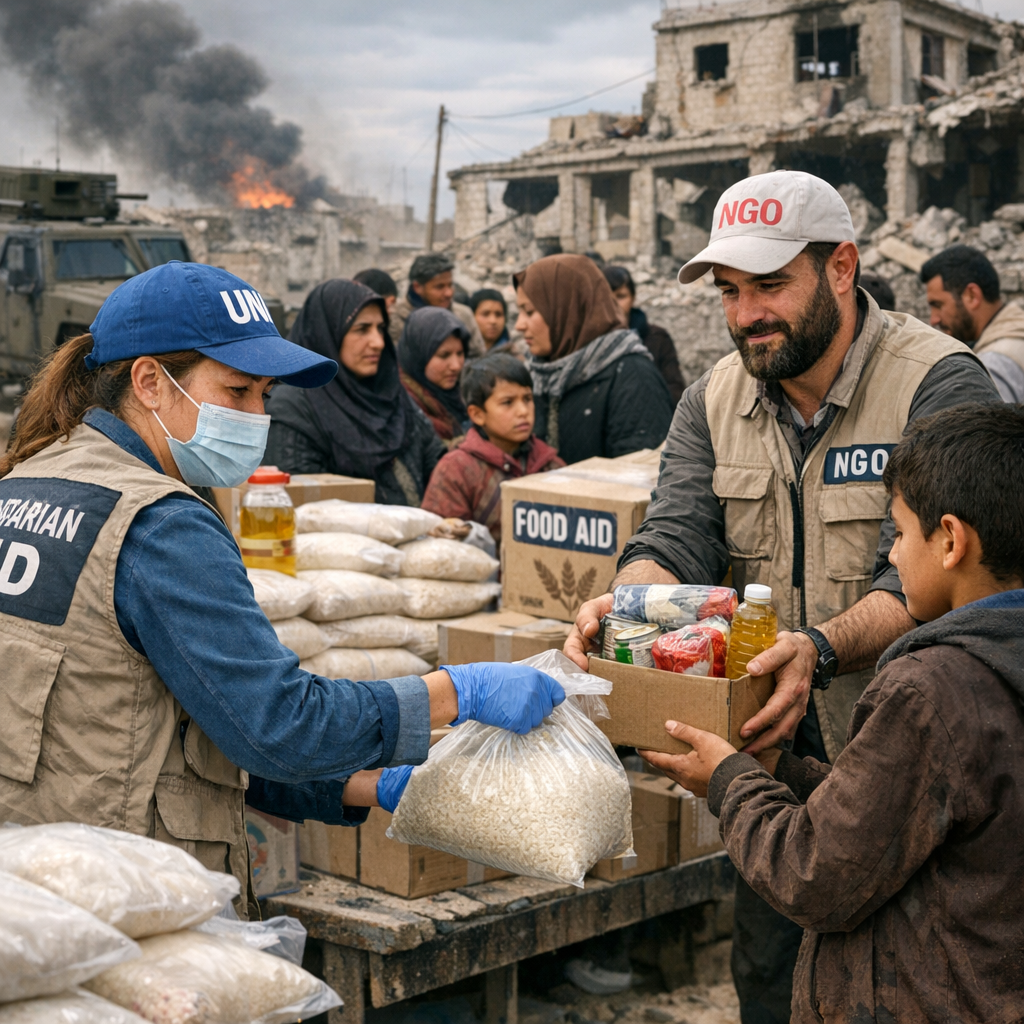
Global hunger has eased slightly, but the world is still grappling with severe food crises across multiple regions. Ongoing wars, climate extremes, and economic instability are intersecting to push millions toward hunger—even as efforts intensify to reverse the trend.
Global hunger: Small progress, still far from safe
The most recent UN report estimates that in 2025, about 7.8 percent of the world’s population—around 645 million people—experienced hunger. While that’s a modest improvement from recent years, progress remains fragile. Many areas, especially in Africa and the Middle East, are still facing severe food shortages and malnutrition. The trend is uneven: where crises overlap—like conflict zones that also face drought or inflation—impacts are worse. The goal of ending hunger by 2030 now looks increasingly out of reach for many regions.
Conflict, climate and economic shocks: Key drivers
Conflict is the primary cause of acute food insecurity, followed by climate shocks such as floods and drought, and economic upheavals—like inflation, disrupted supply chains, and weakened currencies. In 2025, famine-level conditions were confirmed in parts of Gaza and Sudan for the first time in the history of some global monitoring reports. Projections warn that risks remain severe into 2026.
At the same time, the very systems used to track food insecurity—including data collection and analysis—are under strain. Shrinking budgets for humanitarian aid are leaving gaps in both relief operations and long-term prevention efforts.
Where relief faces major gaps
Organizations warn that although aid has helped save lives, response capacity is being stretched thin. Hundreds of millions of people live in countries where governments struggle to deliver food security programs, health care, or safe access to clean water. Displaced populations—refugees, asylum seekers, internally displaced—are among the most vulnerable.
What’s needed going forward
Experts say there’s no single solution. Strengthened peace negotiations, predictable international funding, investment in climate resilience, and scaling up social protection systems all play key roles. Data matters too: better monitoring tools can help early warning, so resources are directed where they are most needed. For Gresham and places farther away, what happens globally may feel distant—but in interconnected supply chains, volatile markets, and humanitarian obligations, everyone has a stake.
Even as we see small wins, the scale and intersection of today’s crises demand sustained focus. The effort to reverse hunger and protect livelihoods isn’t just a moral imperative—it’s essential for global stability in a warming, conflict-scarred world.