

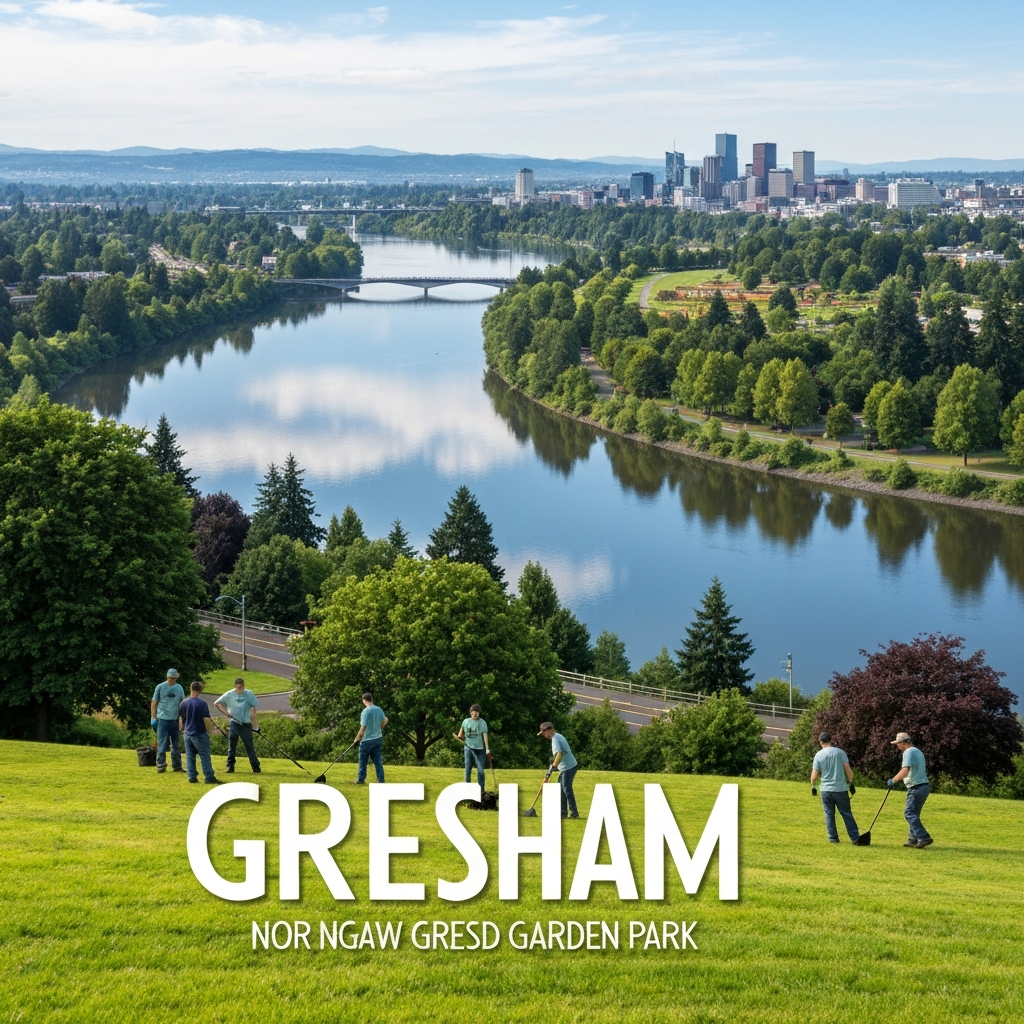
Gresham, Oregon, experiences a Mediterranean climate characterized by warm, dry summers and cool, wet winters. This climate influences our daily lives, from outdoor activities to environmental planning.
Seasonal Weather Patterns
Spring
Spring in Gresham brings mild temperatures and increasing daylight. Average highs range from 55.5°F (13.1°C) in March to 68.7°F (20.4°C) in May. Rainfall decreases from 5.57 inches (141.48 mm) in March to 3.27 inches (83.06 mm) in May, making it a pleasant season for outdoor activities.
Summer
Summers are warm and dry, with average highs peaking at 82.3°F (27.9°C) in August. July and August receive minimal rainfall, averaging around 0.62 inches (15.75 mm) and 0.64 inches (16.26 mm) respectively, contributing to the dry conditions typical of the season.
Autumn
Autumn sees a gradual cooling, with average highs decreasing from 75.7°F (24.3°C) in September to 52.5°F (11.4°C) in November. Rainfall increases during this period, with November averaging 6.96 inches (176.78 mm), signaling the transition to the wetter winter months.
Winter
Winters are cool and wet, with average highs around 46°F (7.8°C) in December. December also records the highest average precipitation at 7.57 inches (192.28 mm). Snowfall is infrequent but possible, with occasional frosts during the coldest months.
Environmental Initiatives
Gresham is proactive in addressing environmental challenges associated with its climate. The city’s Wastewater Treatment Plant achieved energy net-zero status in 2015, producing more energy than it consumes through innovative processes like biogas cogeneration and solar energy utilization. This initiative saves the city approximately $500,000 annually in electricity costs.
Additionally, the Green Business Program supports local businesses in implementing sustainable practices, such as waste reduction and energy efficiency, contributing to the overall environmental health of the community.
Understanding Gresham’s climate and participating in local environmental initiatives can help residents and businesses make informed decisions that benefit both the community and the environment.